The relationship between gambling and creativity
Understanding Gambling and Its Psychological Impact
Gambling is often viewed as a mere pastime, but its psychological dimensions are profound and multifaceted. At its core, gambling engages the brain’s reward system, releasing neurotransmitters such as dopamine that create feelings of pleasure and excitement. This interaction can ignite creativity as individuals explore new ideas and solutions driven by the thrill of risk-taking. For those looking for alternatives, casinos not on gamstop can provide interesting options that foster novel experiences. The uncertainty inherent in gambling environments may push individuals to think outside the box, connecting seemingly unrelated concepts.
Moreover, the high-stakes nature of gambling can lead to heightened emotional states, which in turn can serve as catalysts for creative thought. When gamblers experience wins or losses, their emotional responses might foster an increased propensity to engage in creative thinking. This combination of excitement and psychological risk can unlock avenues for innovative thinking, suggesting that there may be a complex relationship between chance-based activities and creative expression.
The Role of Risk-Taking in Creative Endeavors
Risk-taking is an essential element of both gambling and creativity. Successful creative individuals often step outside their comfort zones, embracing uncertainty to explore new artistic or intellectual territories. Similarly, gamblers take risks with their money, influenced by a desire for the unknown. This shared characteristic may explain why many artists and innovators are drawn to gambling, as both pursuits reward boldness and the willingness to fail.
The act of placing a bet or making a high-stakes decision mirrors the creative process, where experimentation and the willingness to take chances can lead to groundbreaking ideas. The adrenaline rush associated with gambling can stimulate cognitive processes, encouraging individuals to develop unique perspectives and solutions. Thus, the connection between gambling and creativity may be rooted in the shared need for risk and exploration.
Case Studies: Creative Minds and Their Gambling Habits
Throughout history, many creative figures have been known for their gambling habits. Writers, artists, and musicians often indulge in games of chance as a source of inspiration and a means of breaking creative blocks. For instance, famous authors like Ernest Hemingway and Fyodor Dostoevsky were known to engage in gambling, drawing from the emotional highs and lows of the experience to fuel their narratives. These case studies reveal a pattern where gambling serves not just as a diversion but also as a source of motivation. 
Additionally, various studies have shown that engaging in gambling-like environments can enhance divergent thinking, a key component of creativity. By immersing themselves in unpredictable scenarios, these creative minds often find new ways to approach their craft. Such environments allow them to experiment with ideas freely, further illustrating how gambling can influence creative processes.
Exploring the Online Gambling Landscape
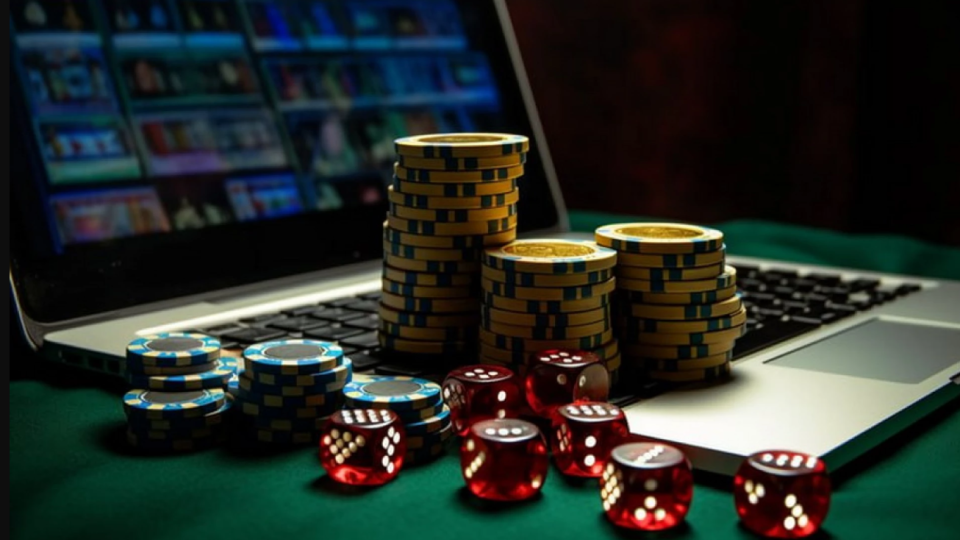
As technology evolves, online gambling has become a significant part of the landscape, offering users the thrill of chance from the comfort of their homes. This shift opens new avenues for individuals seeking inspiration while gambling. The accessibility of online platforms allows for various games and experiences, making it easier for users to engage with the creative aspects of gambling without the constraints of traditional venues.
However, it is crucial for users to remain aware of the importance of security while engaging in online gambling. Reliable websites employ advanced measures to protect users from potential threats, ensuring a safe and enjoyable experience. By prioritizing security, these platforms enable users to focus on the thrill of the game and its potential impact on their creativity, allowing them to explore the relationship between gambling and innovation in a secure environment.